Strategic Expansion of Lasting Peace Group’s Logistics Capacity in China
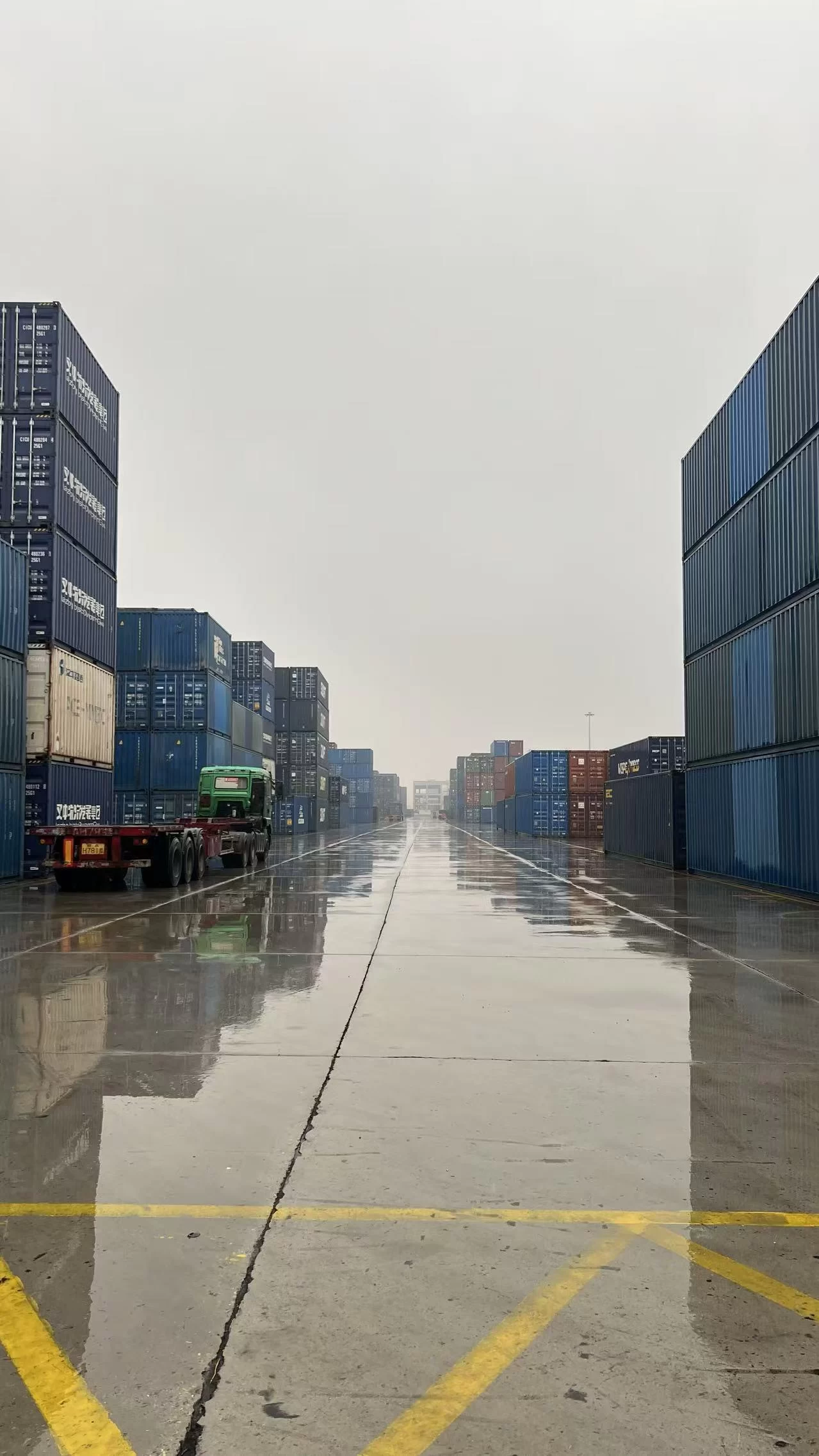
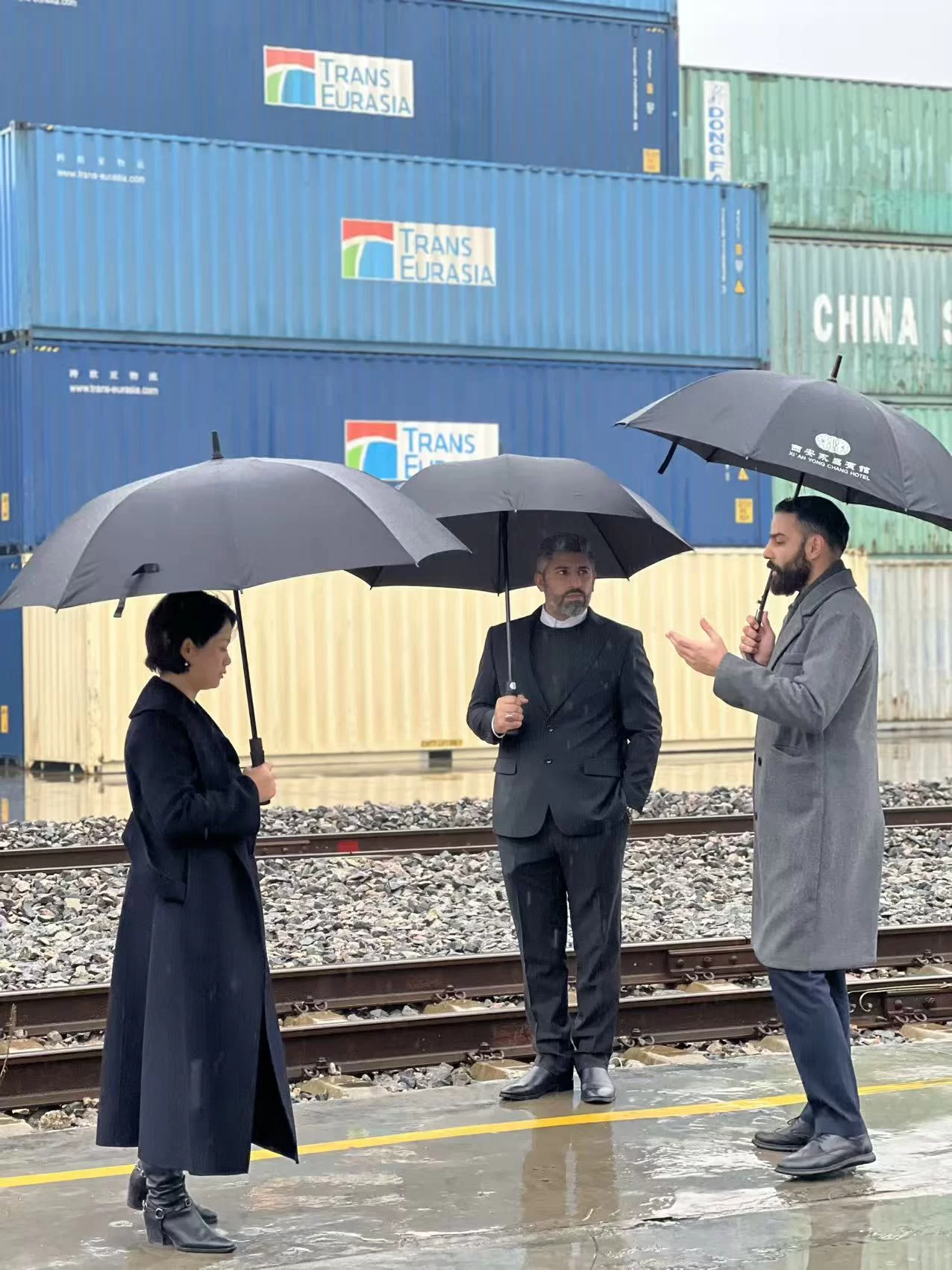
As part of its efforts to expand logistics infrastructure and strengthen the strategic China–Iran–Europe corridor, Lasting Peace Group has signed an official agreement with a Chinese state-owned company, increasing its warehousing capacity in the Shaanxi Free Trade Zone to 20,000 containers across covered and open-air storage facilities. This strategic initiative is expected to significantly reduce operational costs for customers while substantially improving the speed, security, and efficiency of the international supply chain.
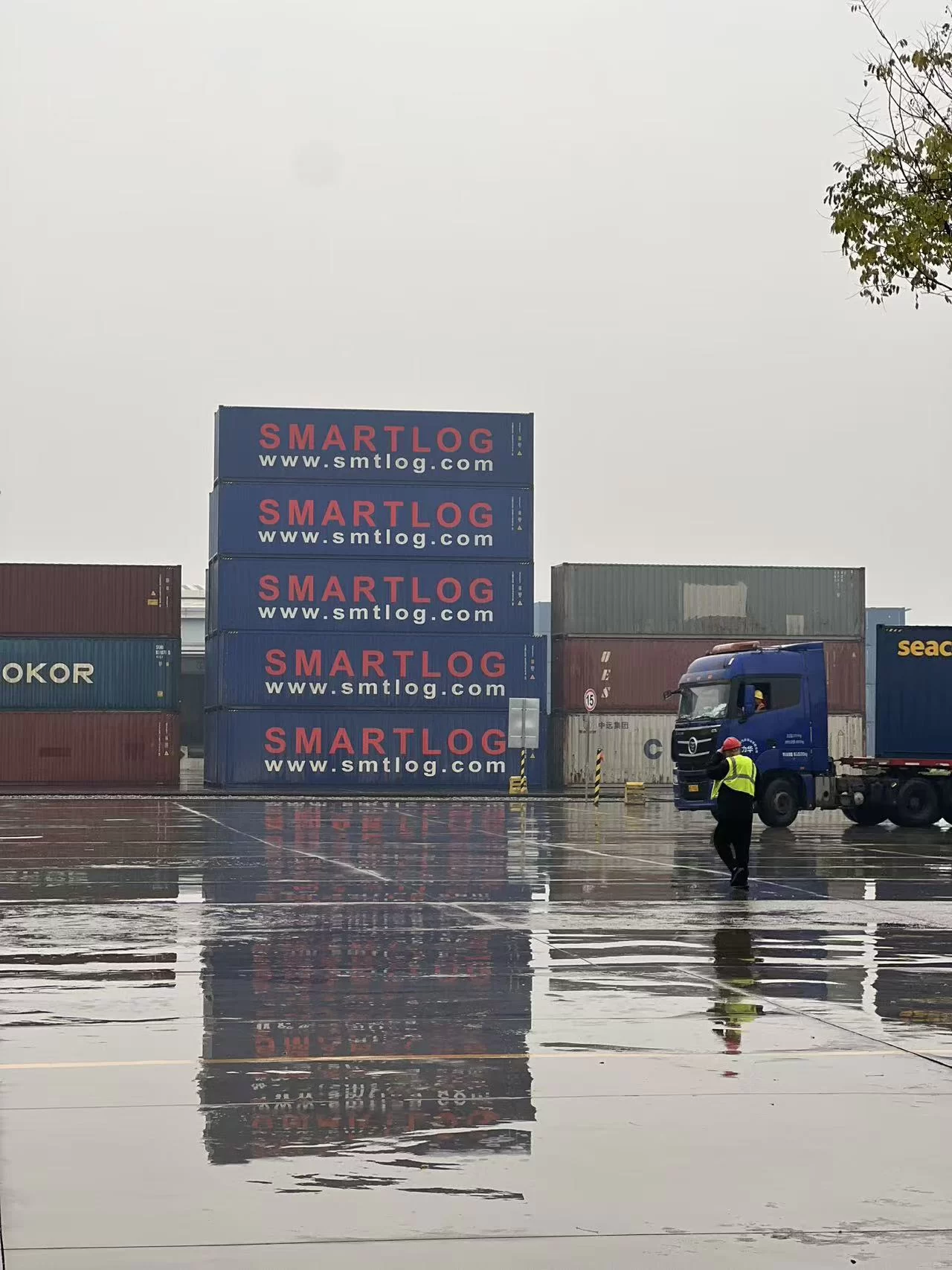
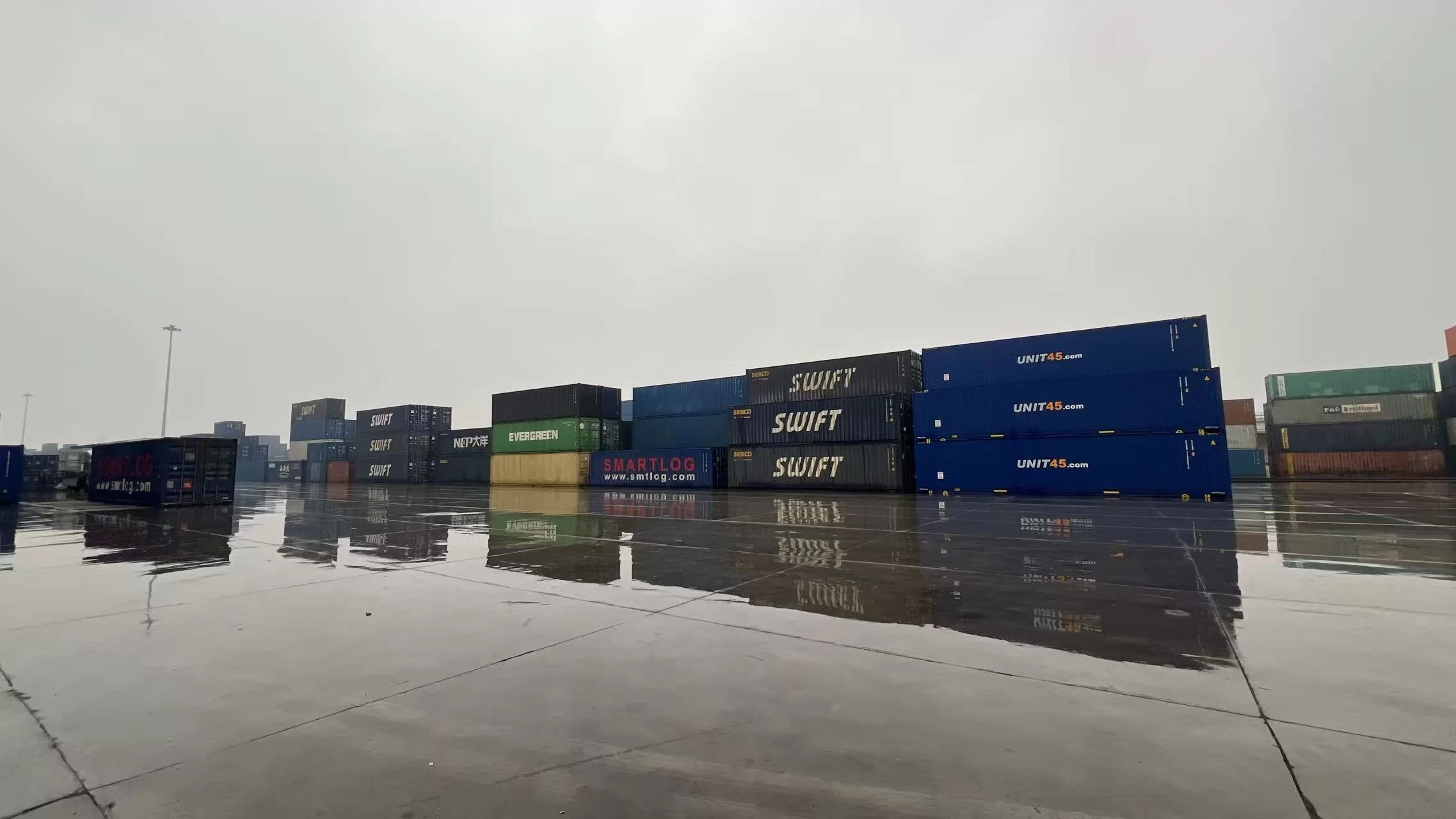
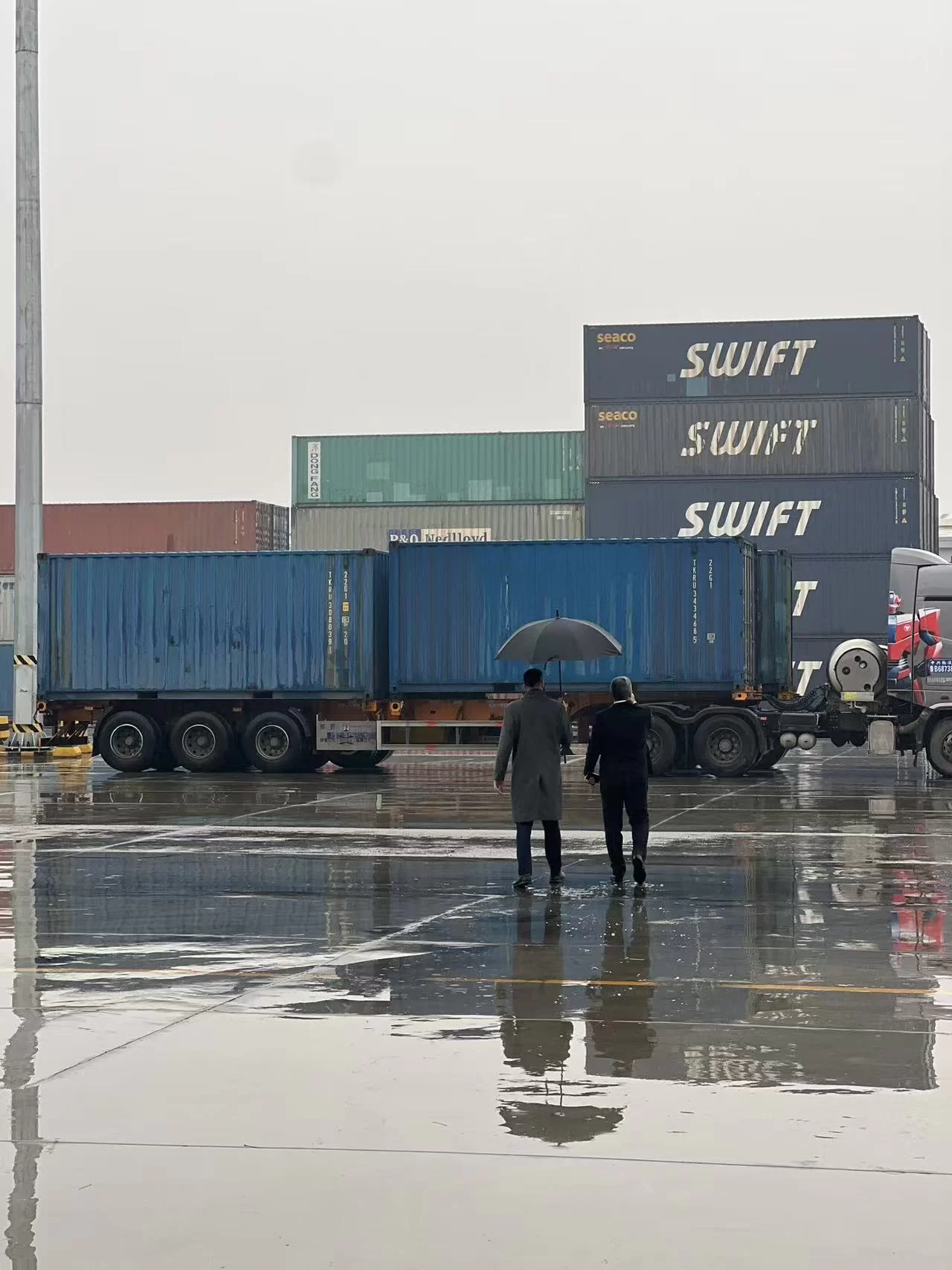
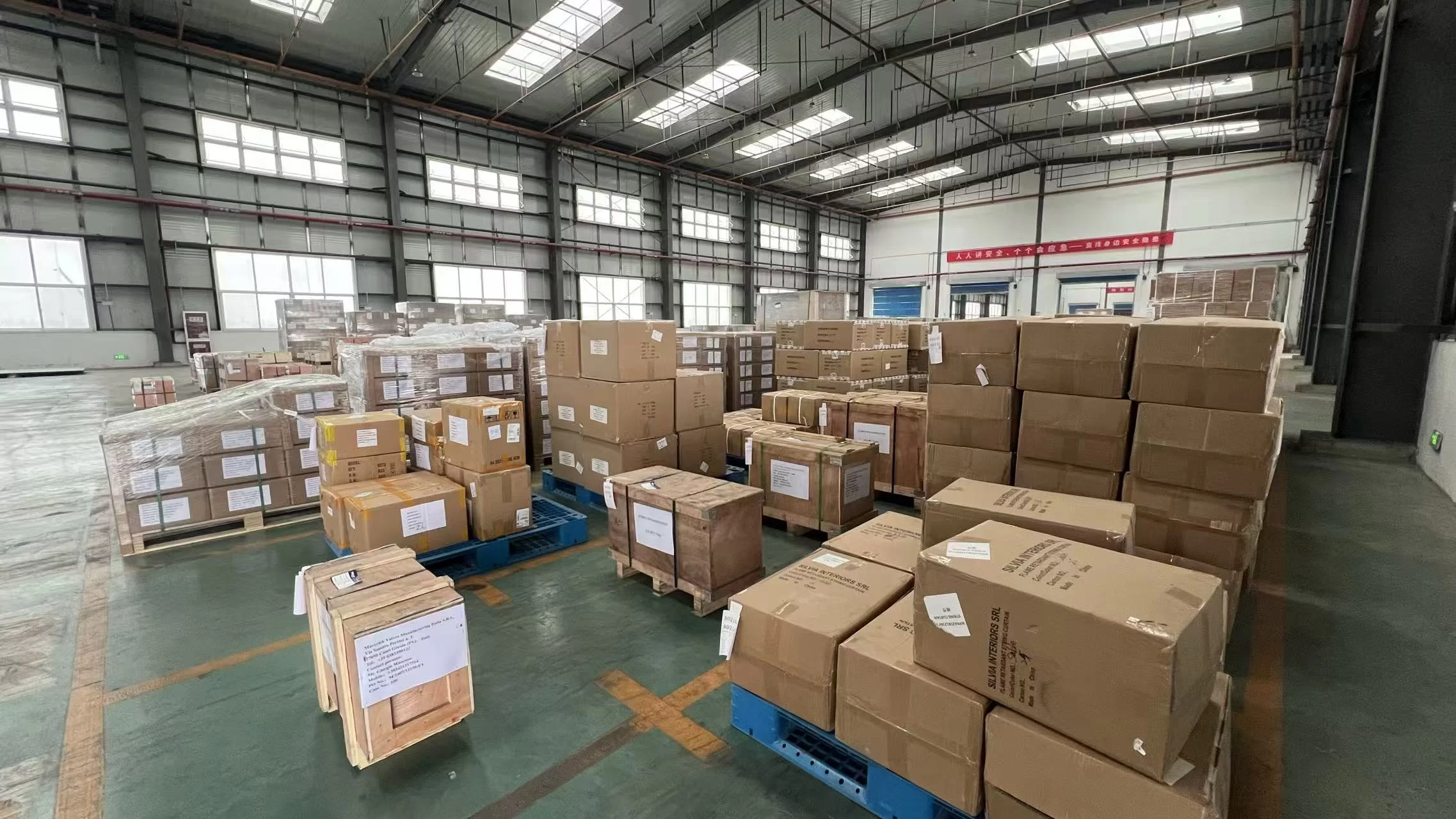
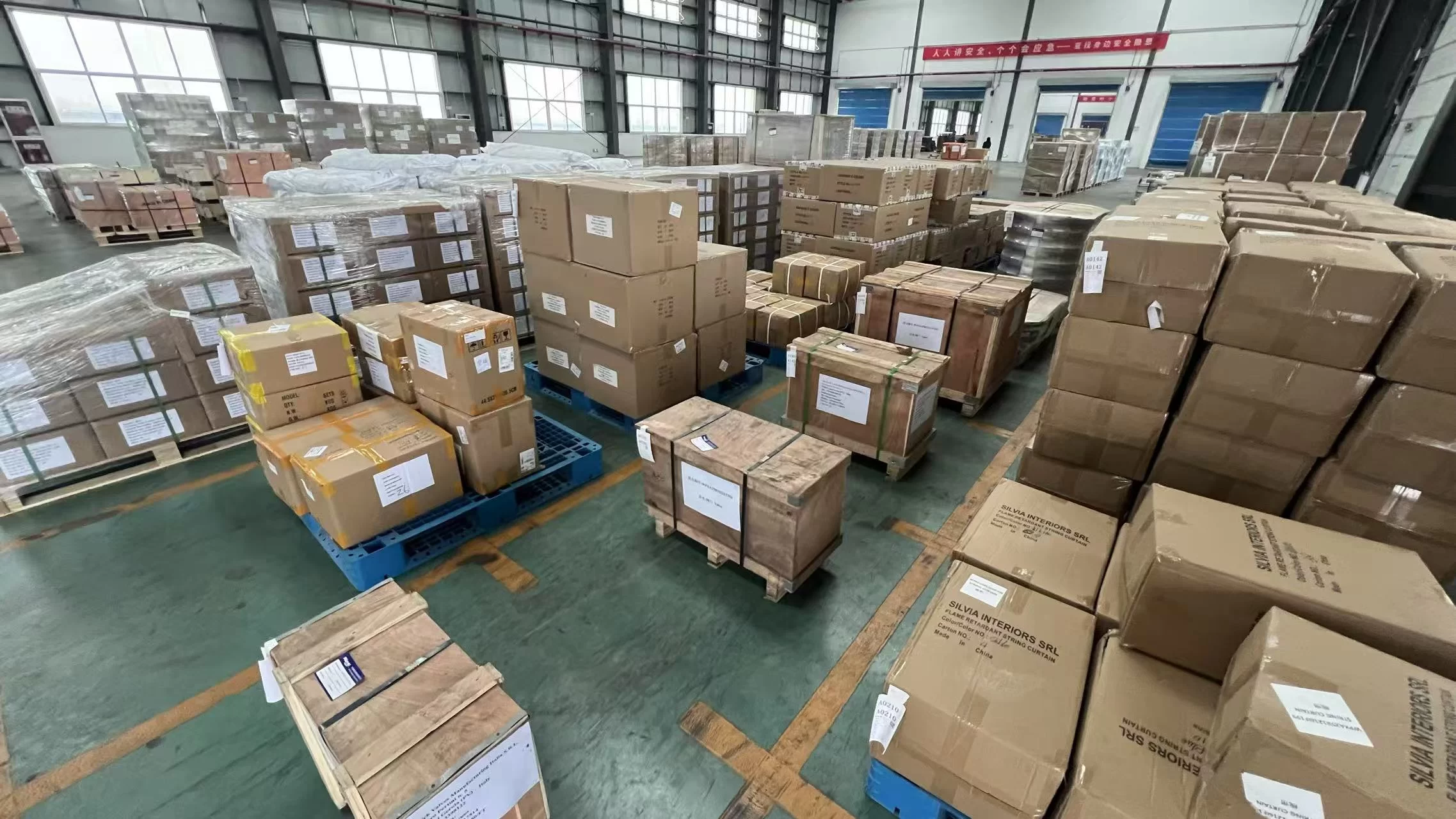
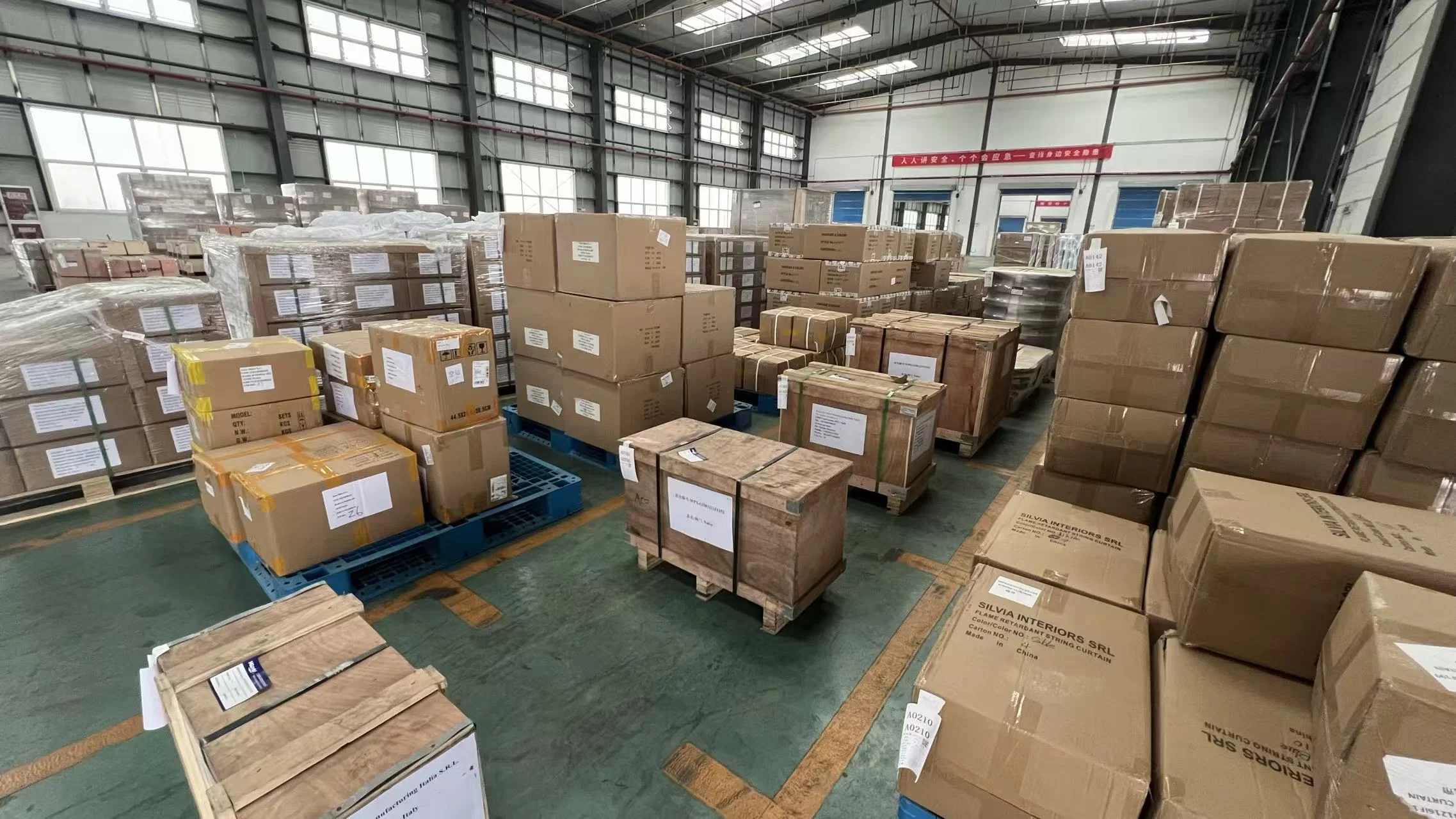
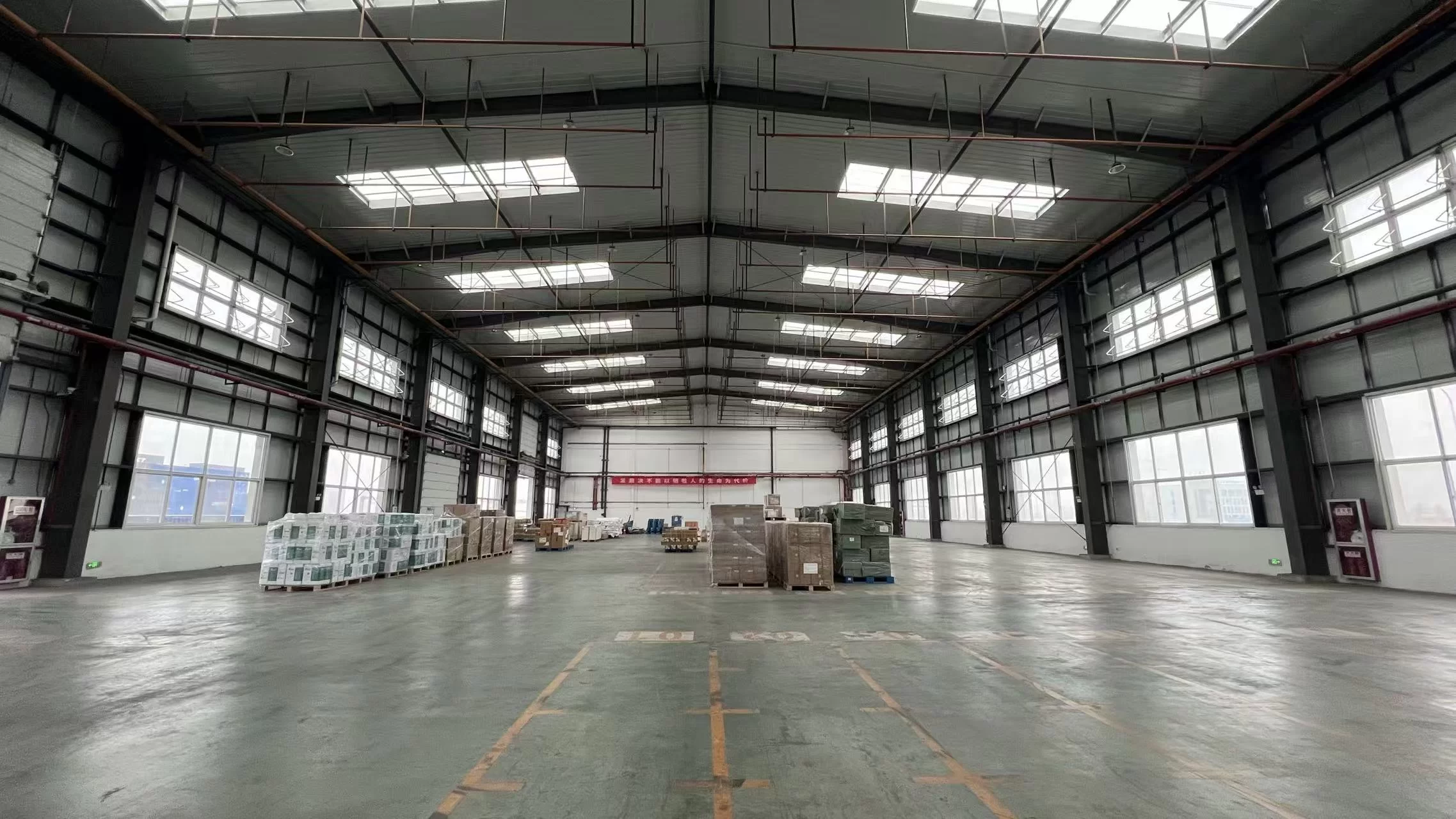
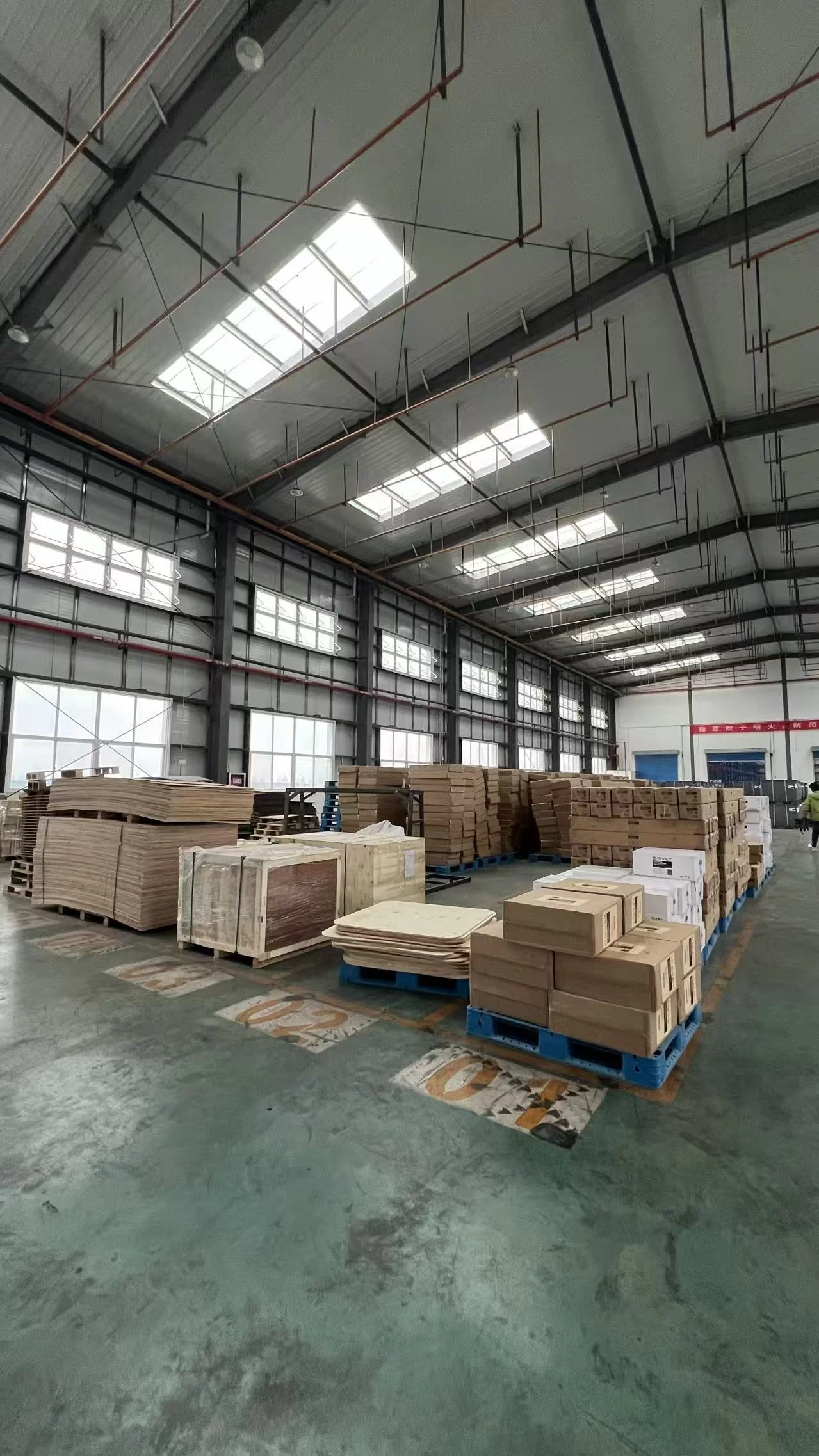
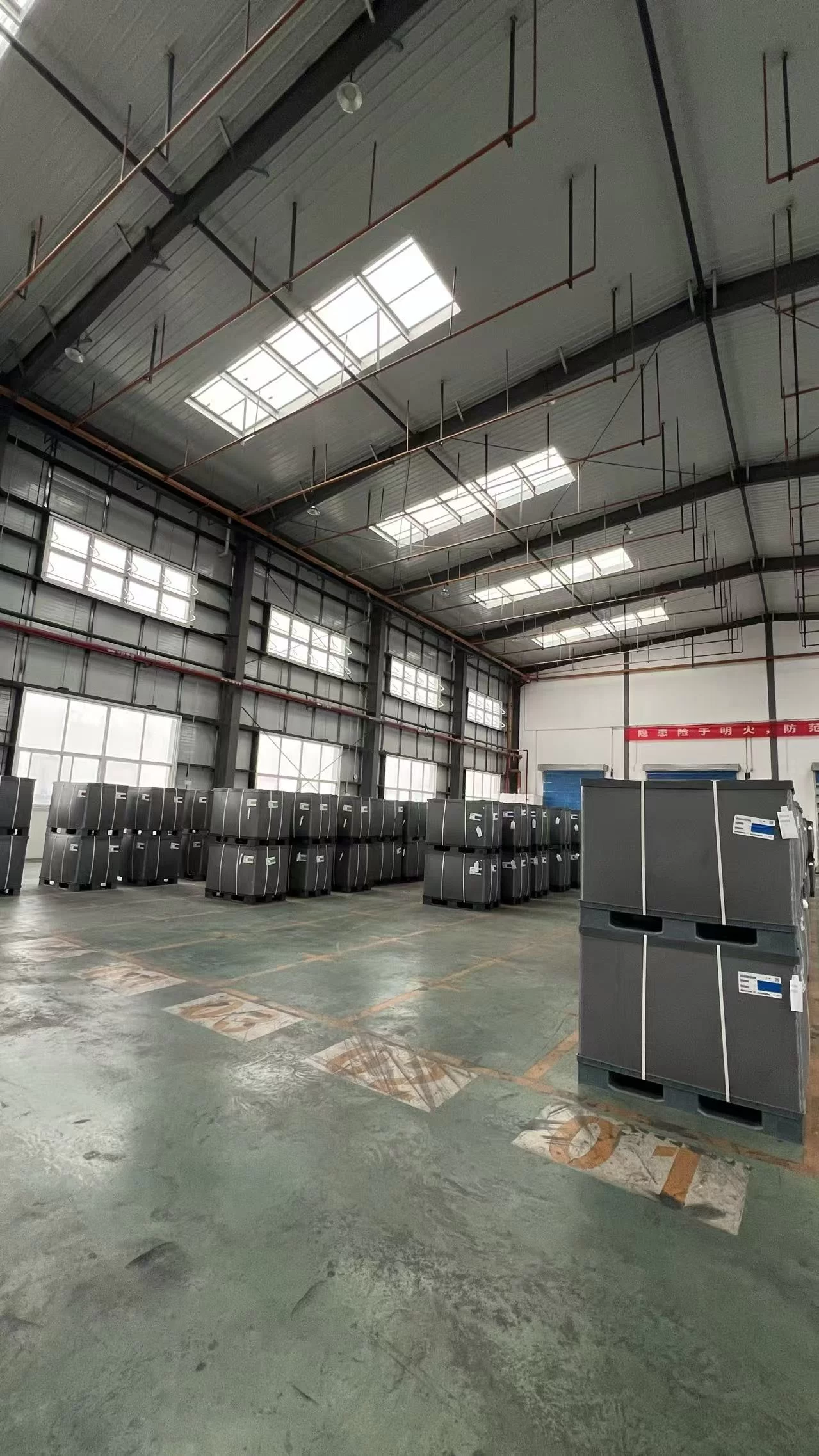
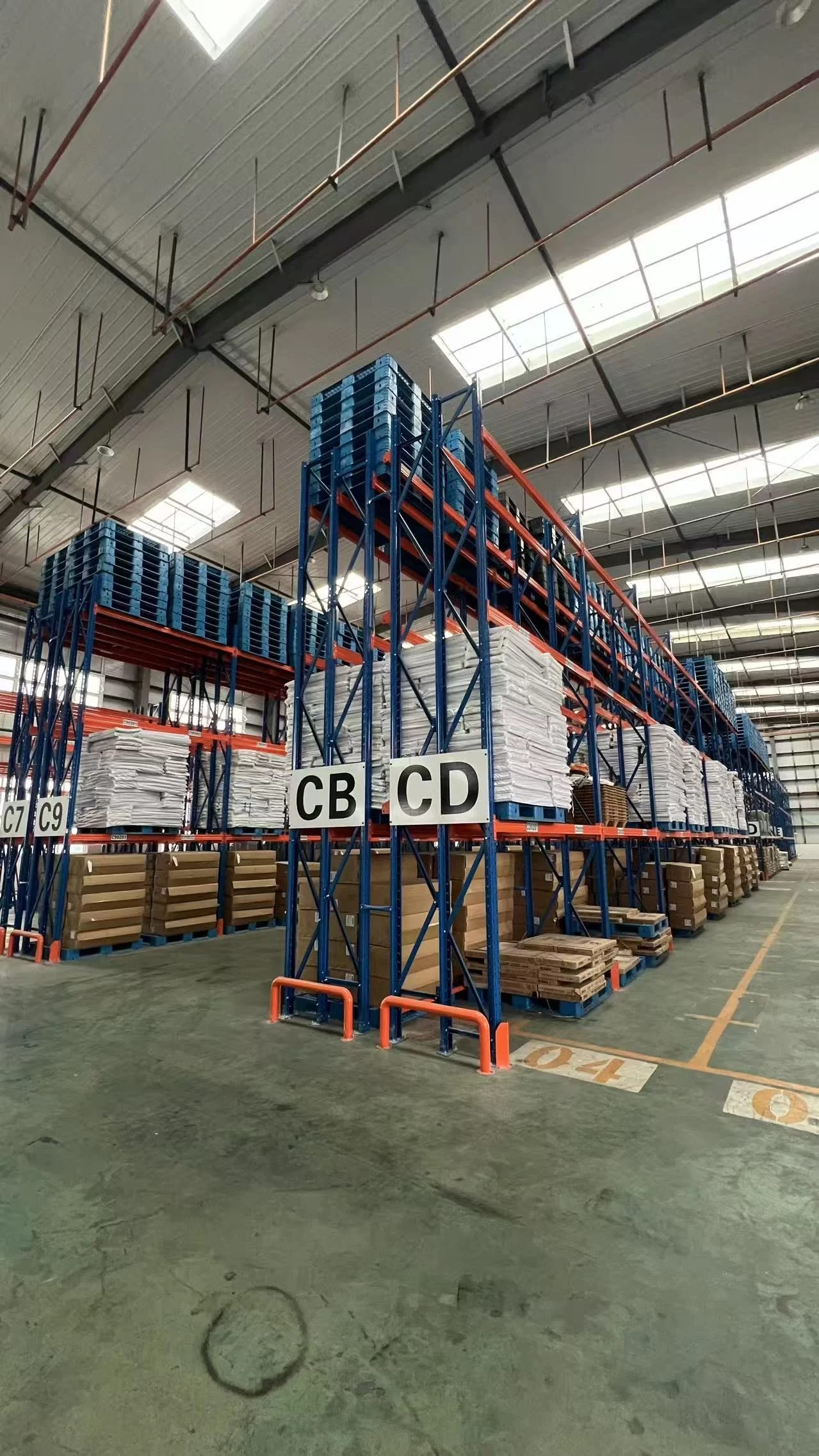
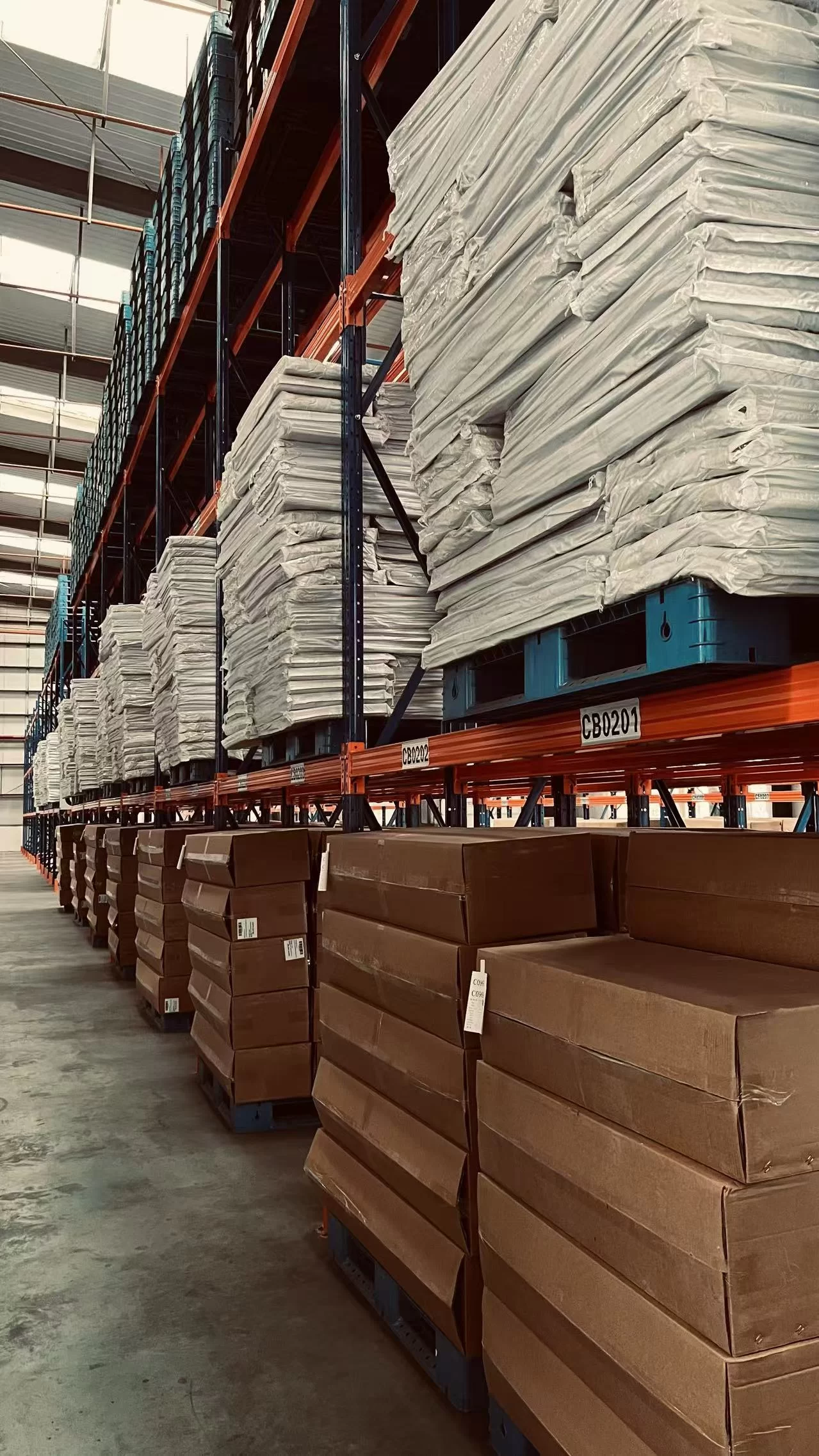
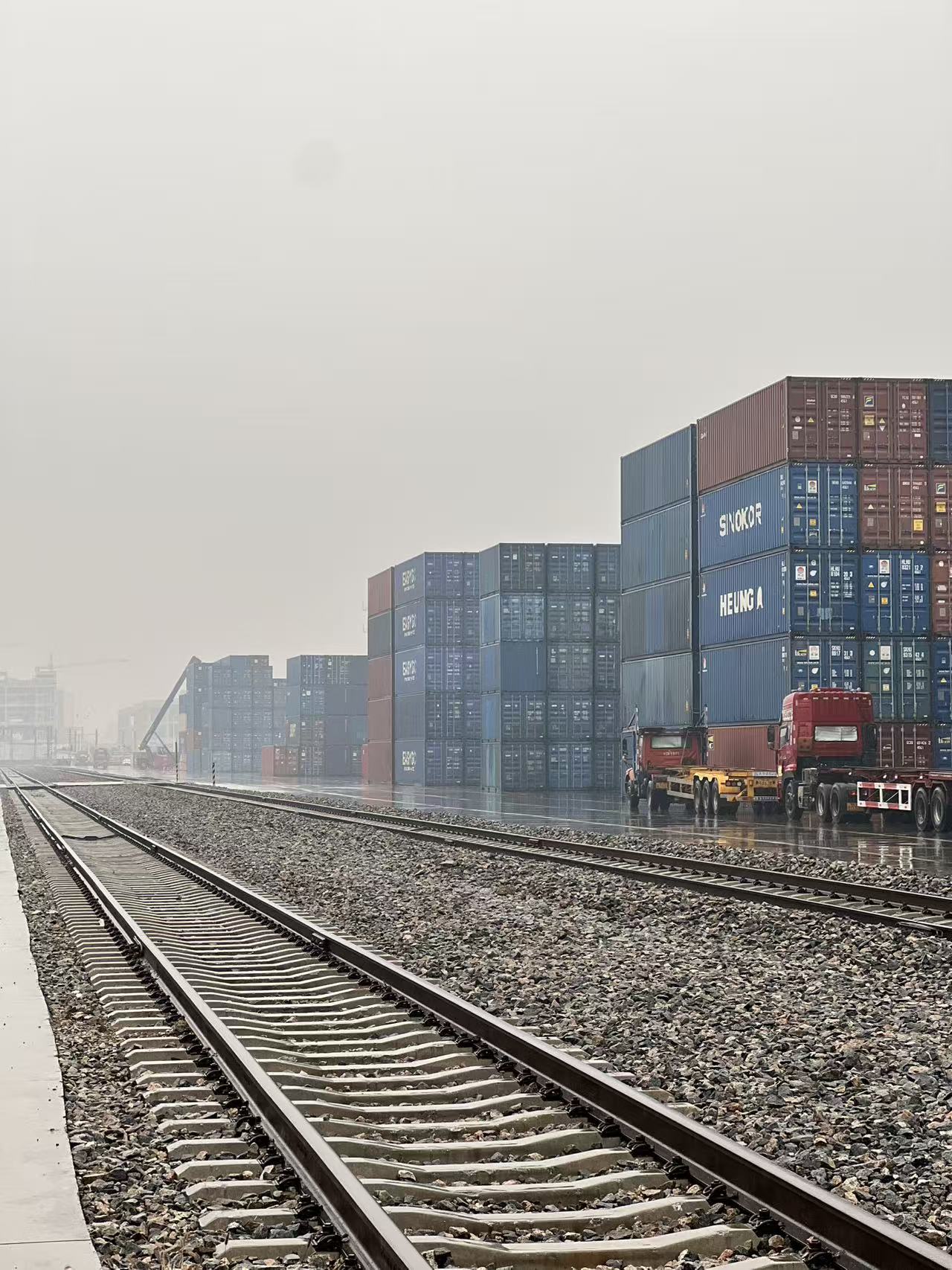
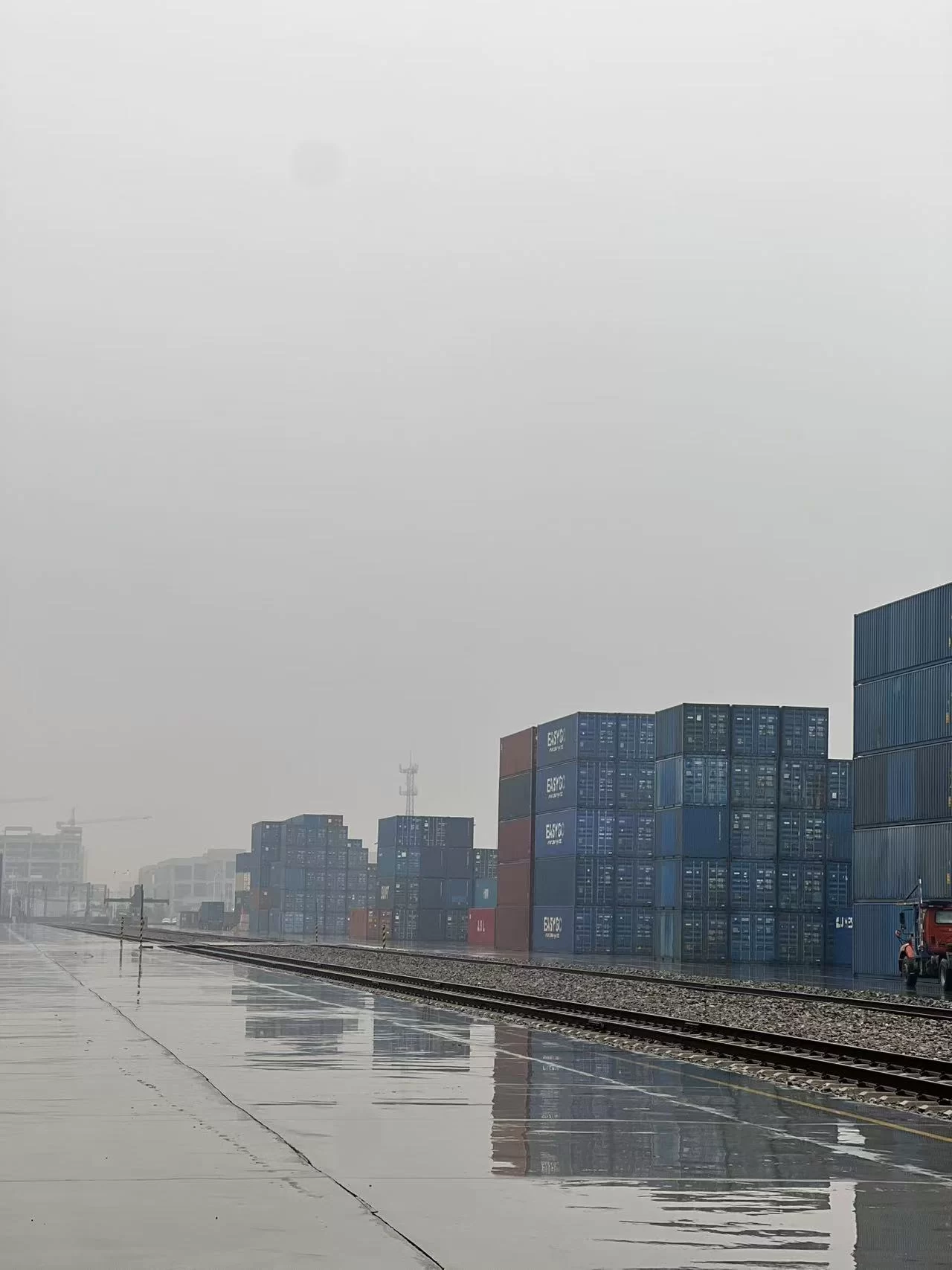
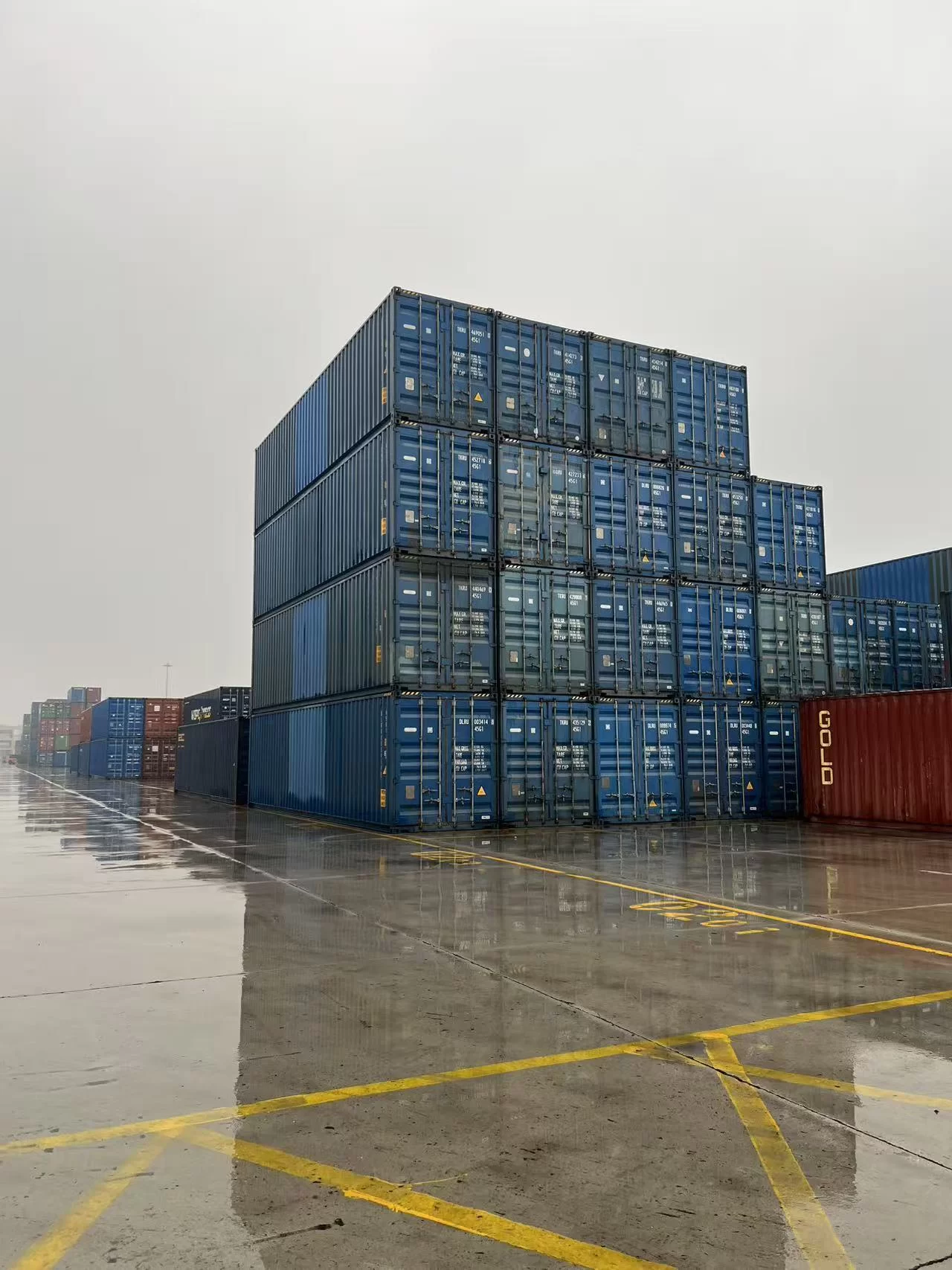
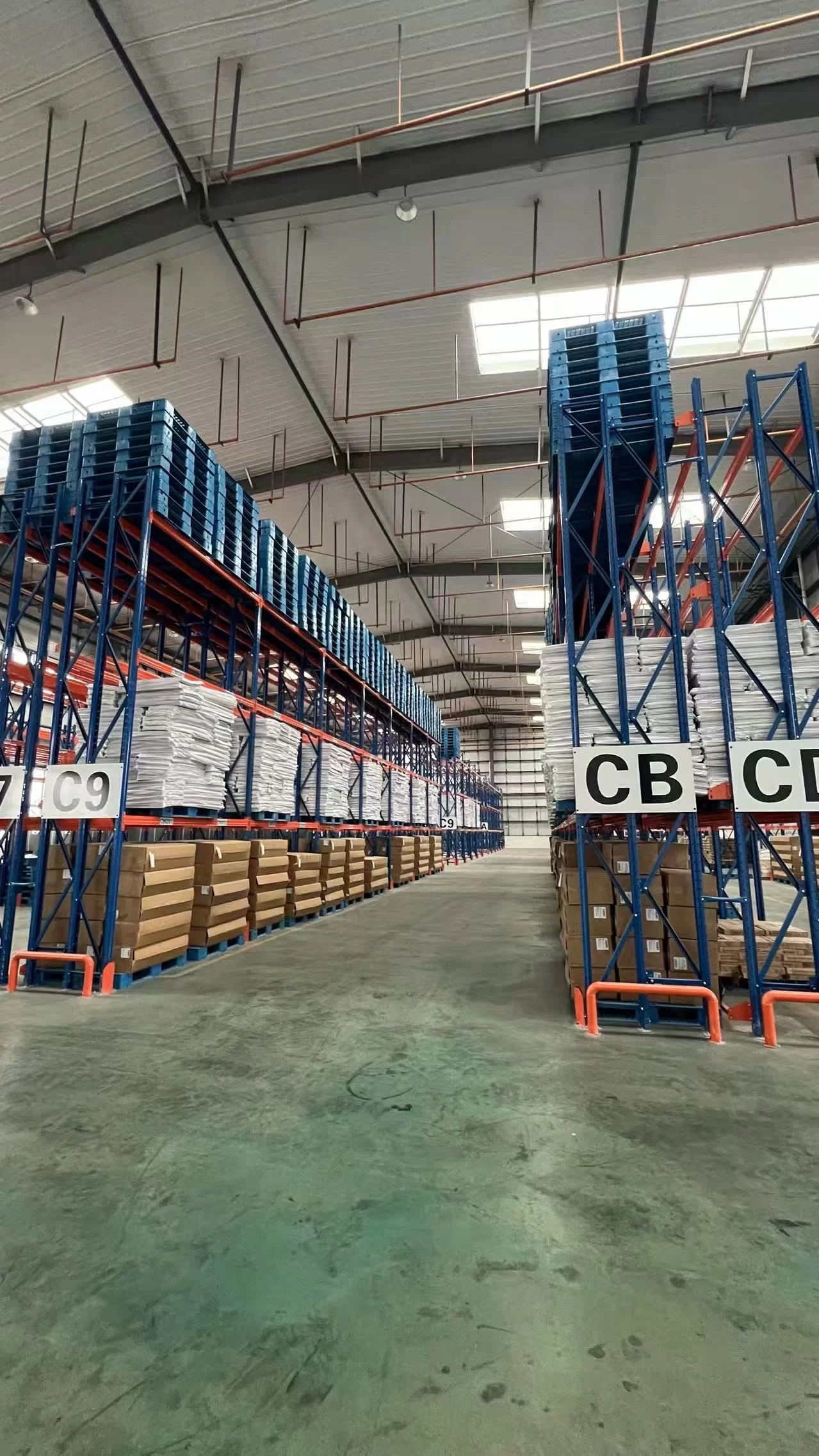
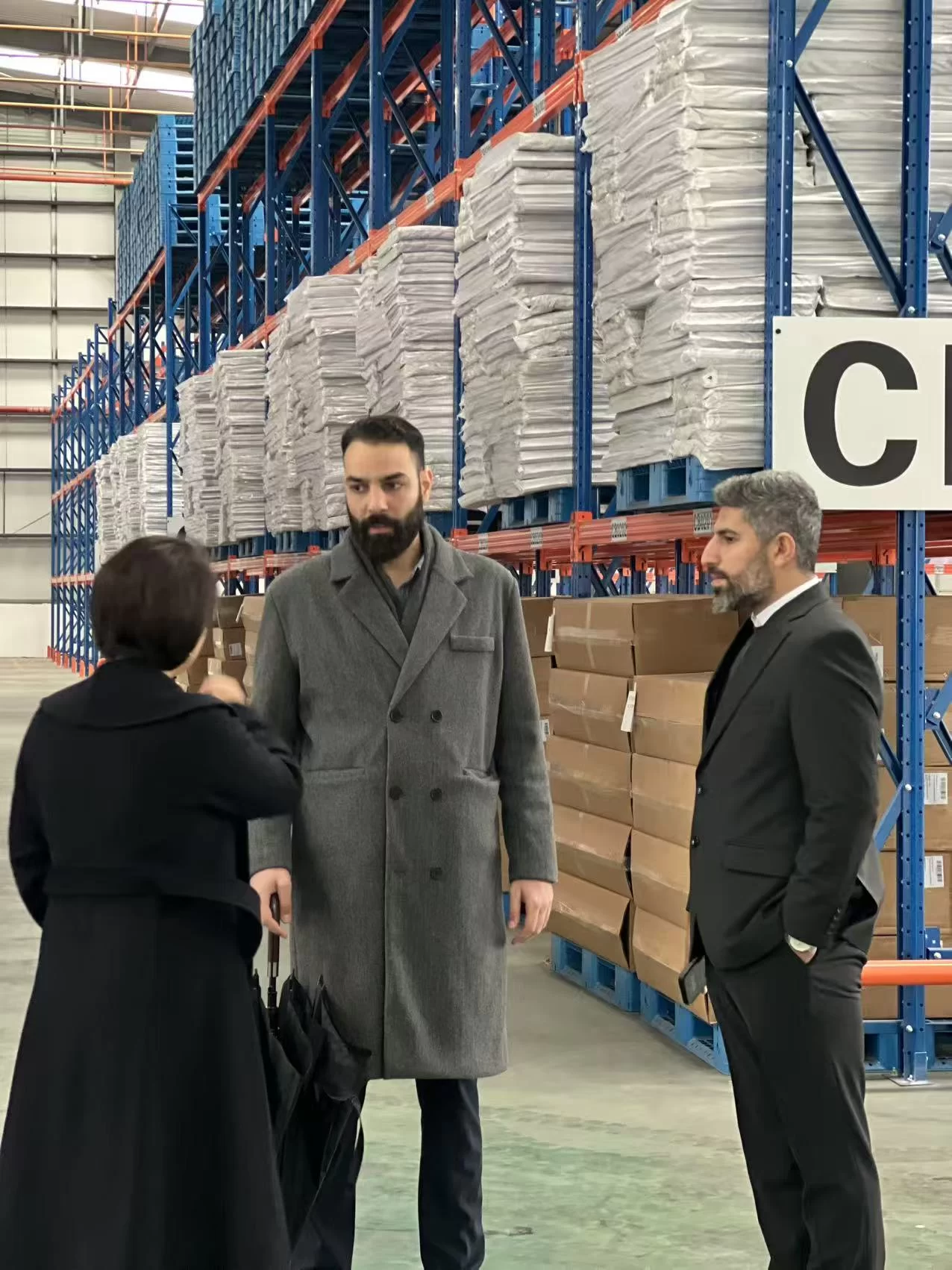
As part of its ongoing development plans in logistics and international transportation, Lasting Peace Group has successfully expanded its warehousing infrastructure in the Free Trade Zone of Shaanxi Province through a cooperation agreement with a Chinese state-owned enterprise. Under this agreement, the operational capacity of the Group’s covered and open-air warehouses has increased to approximately 20,000 containers. This expanded capacity has been designed to meet the growing demand along transit routes connecting China to Iran, the Middle East, and Europe, enabling the Group to support large-scale logistics and transit projects.
The location of these warehousing facilities within a Free Trade Zone represents one of the most significant strategic advantages of this expansion. This special status provides access to customs and tax incentives and exemptions, directly reducing warehousing, transit, and associated operational costs for cargo owners. Such benefits create substantial added value, particularly for companies engaged in exports, imports, and international transit operations.
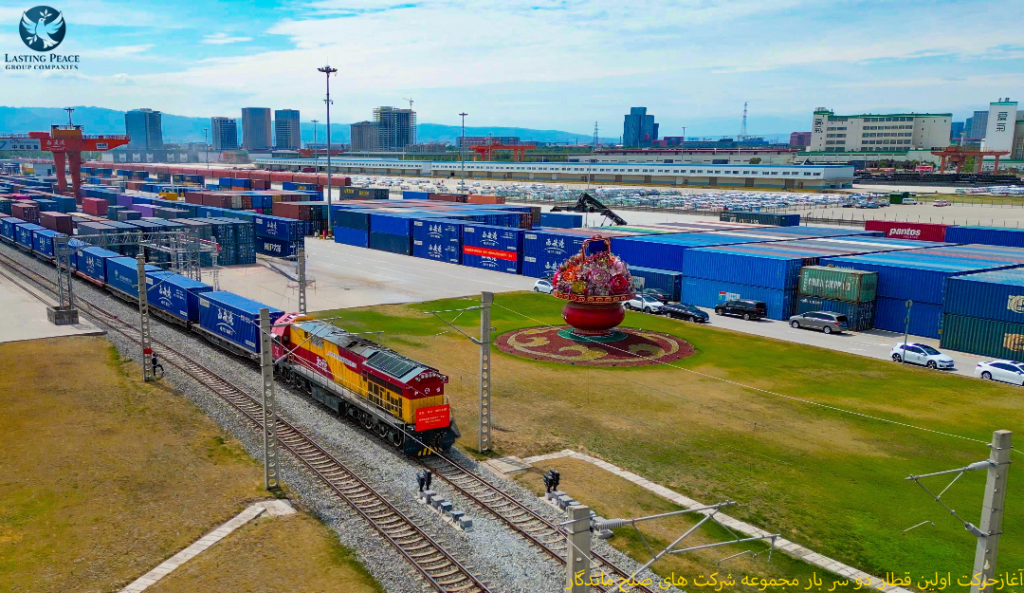
Furthermore, the warehouses’ strategic location near Xi’an Customs and adjacent to the international railway station, which serves as a departure point for freight trains bound for Iran along the China–Iran–Europe corridor, further enhances the importance of this project. This proximity enables the direct transfer of goods from warehouses to railway wagons, reduces waiting times, eliminates unnecessary cargo handling, and improves the safety and speed of rail operations. As a result, it plays a significant role in optimizing the entire logistics process.
As part of this expansion, Lasting Peace Group has announced that customers can use these warehousing facilities for up to 30 days of free cargo storage. This competitive advantage not only reduces financial pressure on cargo owners but also provides greater flexibility in inventory management and shipment scheduling.
In addition, the facilities are equipped with modern logistics technologies and infrastructure, enabling the Group to provide comprehensive packaging, packing, labeling, cargo consolidation, and deconsolidation services. These services are delivered professionally and in accordance with international standards, tailored to the specific requirements of rail, maritime, and road transportation, while ensuring minimal costs and maximum operational efficiency for customers.
The expansion of warehousing capacity, as a complementary component of Lasting Peace Group’s multimodal transportation network, further strengthens the Group’s position as an active and reliable player in regional and international logistics. This new infrastructure also supports the Peace Train Project, enabling the provision of integrated services, including warehousing, supply chain management, customs clearance, rail transportation, and final destination delivery for domestic and international customers.
Lasting Peace Group has emphasized that this infrastructure expansion forms part of its broader strategic development program aimed at strengthening Iran’s role in regional and international supply chains, revitalizing the strategic importance of transit corridors passing through Iran, and creating sustainable competitive advantages for its customers.
Accordingly, the Group has announced that additional development phases in logistics, advanced warehousing, and international transportation are expected to become operational in the near future, in line with the continued expansion of the China–Iran–Europe corridor.